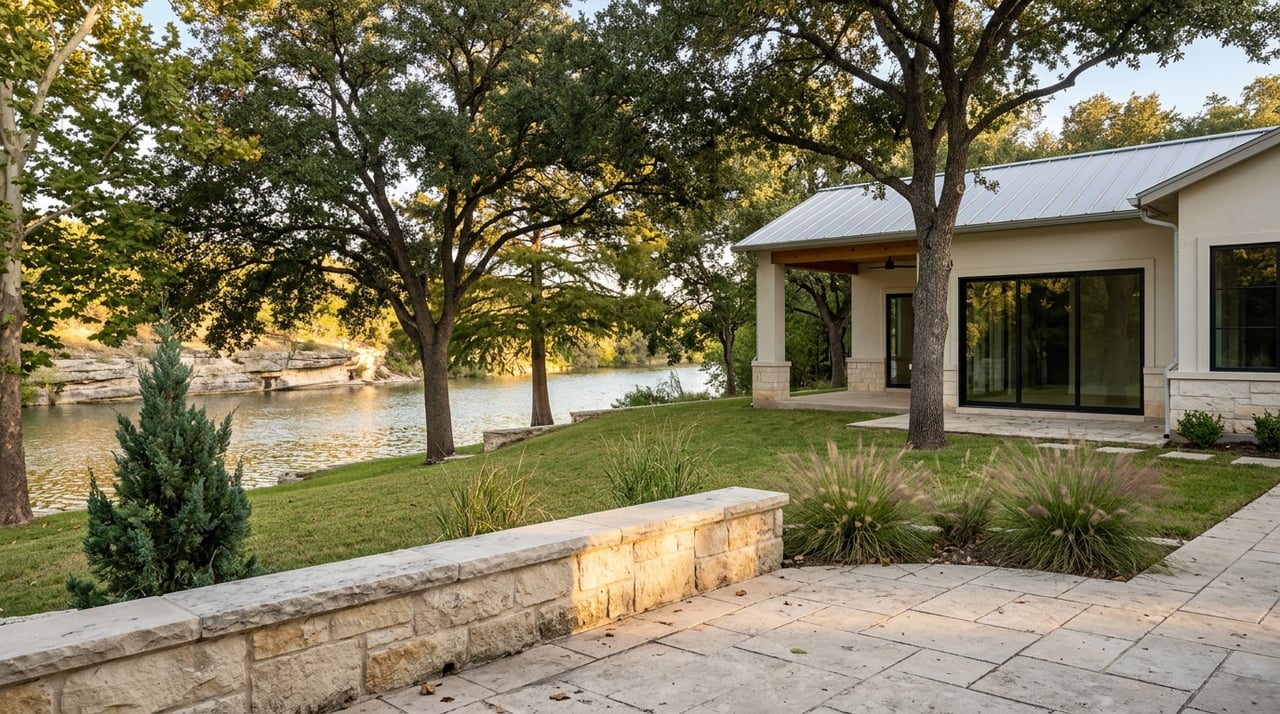
Gruene River Lifestyle Homes and Near-River Living
June 4, 2026
June 4, 2026
If you are dreaming about Guadalupe River living near Gruene, it helps to know that this is not just a pretty backdrop. Life in and around Gruene Cove comes with real day-to-day energy, a strong sense of place, and a few practical ownership details you do not want to learn too late. This guide will help you understand what living near the river actually feels like, what kinds of homes you may find, and what to review before you buy or sell. Let’s dive in.
Gruene Cove is best understood as part of the broader New Braunfels river corridor in Comal County, not as a separate town. Comal County’s map book identifies Gruene Cove as a subdivision, which makes the area neighborhood-specific and closely tied to the larger Gruene and New Braunfels lifestyle.
That matters because when you live here, you are not just buying a house. You are buying into a location shaped by the Guadalupe River, nearby entertainment, historic character, and seasonal recreation patterns. For many buyers, that blend is the main draw.
Gruene itself is a 15-acre walkable National Historic District on the Guadalupe River. Its roots go back to German settlement in the mid-1840s, and the district was added to the National Register of Historic Places in 1975. Many late-1800s and early-1900s buildings still remain, which gives the area a very different feel from a newer master-planned community.
Some of the district’s best-known landmarks help define everyday life nearby. Gruene Hall, built in 1878, and the Gristmill, set in an 1870s cotton gin, are not just tourist stops. They are part of the rhythm of the area and a big reason history and modern river living feel so closely connected.
Living near Gruene means living near activity. The district’s official calendar highlights free music daily, ticketed shows at multiple venues, and Old Gruene Market Days nearly every month from February through December with close to 100 artisans.
That does not mean every street feels busy all the time. It does mean that the broader area is known more for historic charm, music, and river recreation than for a quiet bedroom-community feel. If you want a home base with personality and access to things to do, that can be a major plus.
River use is a big part of the local routine. The City of New Braunfels says about a quarter million river users come through each summer, and the Guadalupe inside city limits is open for recreation year-round unless high water or public safety conditions require a closure.
The city also manages access through designated parks, with hours generally running from 6 a.m. to midnight. There are no lifeguards on duty, and river use is shaped by local rules covering items like glass, disposable containers, cooler size, and tube limits. Paid parking, outfitter shuttles, and tube or kayak rentals are part of the normal experience in peak periods.
In warm-weather months, the area usually feels more active. Between the entertainment calendar, river traffic, and visitor demand, summer and shoulder seasons can bring a noticeable rise in energy.
In the off-season, the pace often settles down. You still have the historic setting and river backdrop, but the area can feel calmer and easier to navigate. For some buyers, that seasonal contrast is part of the appeal.
The city’s transportation planning also supports this connected lifestyle. Sidewalks and bike lanes are part of the effort to link neighborhoods, businesses, river recreation, and Gruene itself.
One of the biggest mistakes buyers make is assuming every river-area property near Gruene offers the same type of experience. In reality, the housing mix can vary quite a bit depending on the lot, the development pattern, and how close you are to the water or commercial activity.
City planning documents for nearby river-oriented development show a pattern that helps explain the area. In Gruene River Place, the approved concept included waterfront houses and garden homes with all-masonry construction, underground utilities, sidewalks, landscaping requirements, and a resident river-access lot.
That tells you something important about the broader corridor. Many river-adjacent homes are part of planned developments with stronger design standards and more site regulation than a typical inland subdivision. Smaller lots, drainage planning, floodplain considerations, and shared access features can all shape what ownership looks like.
In and around Gruene, you may come across:
This is not a one-size-fits-all market. A true riverfront property, a bluff-side home, and a home in a subdivision near the river can differ significantly in access, flood exposure, privacy, and restrictions.
That is especially important because nearby planning activity shows ongoing mixed-use and resort-commercial pressure along parts of the corridor. In simple terms, some parcels lean residential while others sit closer to uses tied to hospitality or visitor traffic.
River access is one of the first things buyers ask about, and for good reason. The phrase can mean very different things depending on the property.
In some planned developments, access may be tied to a resident-only lot or shared common area. In other cases, your practical access may depend more on public river parks and designated entry points managed by the city. That is why you want to confirm whether access is private, shared, deed-based, or public before you make assumptions about daily use.
For many owners, the right question is not just, “Is there river access?” It is, “How do I actually use the river from this property, and what rules or limits apply?”
River living can be rewarding, but it also requires more due diligence than an inland purchase. The City of New Braunfels says its adopted floodplain maps apply within the city, and development in floodplain or floodway areas requires permits. The floodway is reserved to carry floodwaters safely, so its rules are especially important.
That makes floodplain review a key step early in the process. If you are looking at a river-adjacent home, you should understand whether the house or improvements are in a special flood hazard area, what records are available, and whether any prior work may affect future compliance.
The city says elevation certificates for properties in special flood hazard areas are on file, and flood-zone determinations are available through the Building Department. Those details can help you compare one property to another with a lot more confidence.
Another major point buyers should know is that basic homeowners insurance does not cover flood damage. The city says flood insurance through the National Flood Insurance Program is available, and there is generally a 30-day waiting period before coverage becomes effective.
That waiting period is easy to overlook until it becomes a problem. If you are under contract on a river-area property, it is smart to review insurance timing and estimated costs early rather than leaving it for the last minute.
The city also notes that if a project involves substantial improvement or substantial damage, a 50 percent market-value threshold can trigger additional compliance requirements. For buyers and sellers, that is a practical reason to verify permits, improvement history, and elevation-related documentation sooner rather than later.
Living near the Guadalupe also means understanding how the river is managed. Comal County maintains real-time river-flow data, and the city uses flow and safety conditions to decide when access should close or when tubing should stop.
The city also asks river users to enter and exit only at designated access parks, avoid disposable containers, and help protect wildlife and park areas. Even if you are a full-time resident and not a weekend visitor, those rules shape how the area functions and how the river is cared for.
That shared stewardship is part of the local culture. It helps preserve the natural setting that draws people here in the first place.
If you want a setting that blends history, recreation, and a strong sense of place, living near Gruene can be a great fit. You get close proximity to the Guadalupe, easy access to a nationally recognized historic district, and a lifestyle that often feels active and connected.
If you want a very quiet, low-activity setting with minimal seasonal changes, some parts of the corridor may feel busier than you expect. That does not make the area better or worse. It simply means fit matters.
The best approach is to compare specific properties based on how you plan to live. River access, lot design, floodplain exposure, nearby uses, and seasonal activity all deserve a closer look before you make a move.
Whether you are buying a river-area home or preparing to sell one, local insight matters here. The right guidance can help you look past the marketing language and focus on what ownership in Gruene Cove actually means. If you want help evaluating Guadalupe River living near Gruene, connect with Sunrise Realty Group for practical, local guidance.
Stay up to date on the latest real estate trends.

We’d love to hear from you! Whether you’re buying, selling, or just exploring your options, we’re here to provide answers, insights, and the support you need. Contact us and start planning your next move.