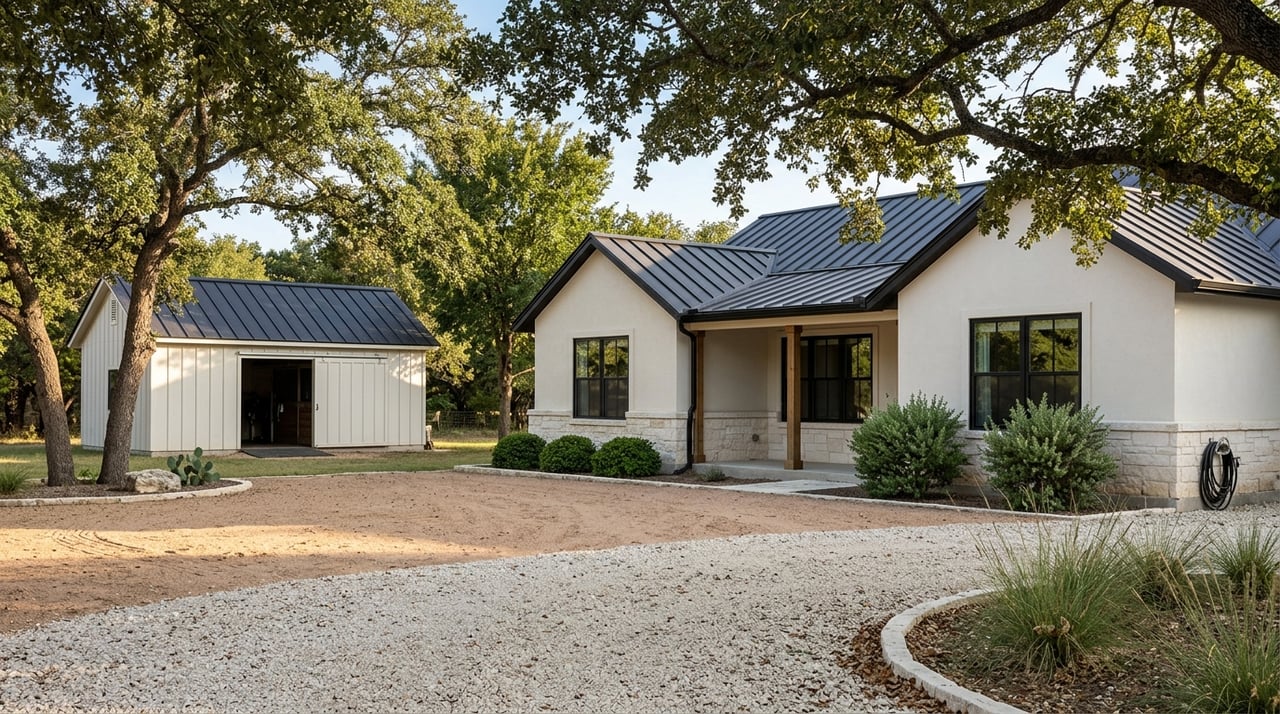
Outdoor and Equestrian Living in Spring Branch
July 2, 2026
July 2, 2026
Are you looking for a home that gives you room to breathe, space to ride, and easy access to the water and trails? If that sounds like your version of Hill Country living, Spring Branch deserves a closer look. From river recreation to acreage that may support horses, barns, gardens, and outdoor gear, this area offers a lifestyle that feels active, practical, and connected to the land. Let’s dive in.
Spring Branch offers a mix of land, water, and trail access that is hard to ignore if you want an outdoor-focused lifestyle. Guadalupe River State Park is located in Spring Branch and includes swimming, fishing, tubing, canoeing, paddling, hiking, biking, horseback riding, picnicking, geocaching, and bird watching.
The park also has four miles of river frontage and 13 miles of hike-and-bike trails. If you enjoy time on the water, the nearby Guadalupe River State Park Paddling Trail is a five-mile route, and Texas Parks and Wildlife lists Spring Branch businesses that provide canoe, kayak, tubing, and shuttle services.
For buyers who want regional convenience, the park is also described as a short drive from both San Antonio and Austin. That gives Spring Branch a strong lifestyle draw for people who want more land and recreation without feeling cut off from larger metro areas.
If you want variety, Spring Branch delivers more than one kind of outdoor setting. Local trail descriptions show a landscape that moves from open prairie to Hill Country forest and river corridor, which adds to the appeal for buyers who want privacy, usable land, and recreation in the same market.
At Canyon Lake, the Old Hancock Trail is open to hiking, mountain biking, and equestrian use. It runs four miles one way on the north shore of the lake, giving riders and trail users another nearby option.
The Guadalupe Trail at Canyon Lake is a separate experience and is limited to hiking only. It follows the south bank of the Guadalupe River below the dam, which adds even more trail variety for people who enjoy spending weekends outdoors.
For buyers who prefer a less polished outdoor experience, the Bauer Unit at Guadalupe River State Park may stand out. Texas Parks and Wildlife describes it as a more primitive setting with moderate to challenging hiking and biking trails.
River access there requires a two- to three-mile downhill hike. That kind of terrain may appeal to you if you are drawn to a quieter, more rugged side of Hill Country recreation.
If your goal is horse property in Spring Branch, the land itself matters as much as the house. A common rule of thumb is about 1.5 to 2 acres of open, intensely managed land per horse, although actual needs depend on soil quality, topography, and whether other animals share the property.
If horses will mainly be exercised on the land and fed hay, a smaller area can work. In that case, the setup functions more like an exercise lot than a true grazing arrangement.
Beyond acreage, horse pasture planning should include clean water, safe fencing, pasture rotation, and a dry lot or sacrifice paddock for wet or overgrazed periods. Extension guidance also recommends keeping horses out of rivers, creeks, swamps, and wetlands.
A property can sound ideal on paper and still fall short in real life. For hobby barns, trailer storage, RV parking, or garden space, the better question is not just how many acres you get, but how usable those acres really are.
As you compare properties, pay close attention to:
Texas A&M AgriLife advises rural buyers to review climate, rainfall, soil, vegetation, rangeland condition, and topography before assuming land can support a specific use. That is especially important in a place like Spring Branch, where terrain can vary from one tract to the next.
If your outdoor lifestyle includes a garden, orchard, or small-scale homestead setup, water planning should be part of your home search early on. In the Spring Branch area, that often means understanding how a property’s well fits within local groundwater rules.
Comal Trinity Groundwater Conservation District states that its domestic-use definition includes irrigation for household lawns and gardens. Even so, you should still verify well capacity and drought resilience before assuming the property can support your plans the way you want.
The district also states that domestic and livestock wells under the exemption threshold do not pay production fees or require meters, while non-exempt wells require permitting. For buyers considering acreage, that can be an important part of understanding long-term property use.
Outdoor and equestrian living can be rewarding, but the right property depends on more than curb appeal. Before you buy, it is smart to confirm how the land functions, what improvements are allowed, and whether the property matches your intended use.
Texas A&M AgriLife advises rural buyers to review ownership history, deed restrictions, easements, liens, leases, and tax status. Buyers should also confirm boundaries and legal access with a current survey and verify rights related to groundwater, surface water considerations, and mineral rights.
If you are buying with plans to add a barn, split land, or improve access, county rules matter. Comal County regulates land division through subdivision rules administered by the county engineer’s office.
According to the county, those rules address plats, drainage improvements, water availability, wastewater treatment and disposal, and road construction standards. That means future plans for a property should be reviewed through a practical lens, not just a wish list.
If a property is near a creek or the river, floodplain review belongs near the top of your due diligence list. Comal County states that development within the regulatory floodplain is monitored through floodplain development permits.
The county also notes that new construction or substantial improvements in special flood hazard areas must apply for a permit. If outdoor living is a priority, this step can help you avoid surprises before closing.
Sewer service is another key piece of the puzzle for rural and semi-rural properties. In Comal County, onsite sewage facility permitting is required, and the Texas Commission on Environmental Quality states that these systems must be designed based on a site evaluation that accounts for local conditions.
In practical terms, you should not assume a future guest house, barn apartment, or home expansion will work with the current setup. Septic capacity and site conditions need to be checked before you build.
Some buyers look at acreage with the hope of a lower property-tax valuation. Texas A&M AgriLife notes that many rural properties may qualify for agricultural, open-space, or wildlife-management special-use valuation.
Still, you should confirm acreage requirements, intensity standards, and any possible rollback taxes before relying on that outcome. It is better to verify those details upfront than to build your budget around an assumption.
The best outdoor or equestrian property is the one that supports how you actually plan to live. For one buyer, that may mean quick access to paddling, hiking, and a garden. For another, it may mean enough usable acreage for horses, a trailer, and room to add a barn later.
A smart search usually starts with a few grounded questions:
In Spring Branch, the lifestyle appeal is real. The key is matching that lifestyle to the right land, access, water setup, and county requirements.
If you are thinking about buying acreage, a lifestyle home, or a property with room for horses in Spring Branch, working with a local team can make the process much clearer. Sunrise Realty Group helps buyers navigate Hill Country properties with practical guidance, local insight, and a close eye on the details that matter most.
Stay up to date on the latest real estate trends.
We’d love to hear from you! Whether you’re buying, selling, or just exploring your options, we’re here to provide answers, insights, and the support you need. Contact us and start planning your next move.