Your roof does more than keep rain out. In the Hill Country, the right material can lower cooling loads, handle hail and wind, and boost buyer confidence when you sell. If you are weighing a metal roof against asphalt shingles for a Spring Branch home, you want clarity, not sales talk. In this guide, you will learn how each option performs in our climate, how HOAs and permits come into play, and what makes sense for your timeline and budget. Let’s dive in.
Hill Country roof basics
Spring Branch sits in Central Texas Hill Country, where summers are hot and sunny, and spring into early summer can bring strong wind, hail, and thunderstorms. That mix makes solar reflectivity, UV resistance, and impact and wind ratings important. Buyers in this area often ask about roof age, storm performance, and documentation.
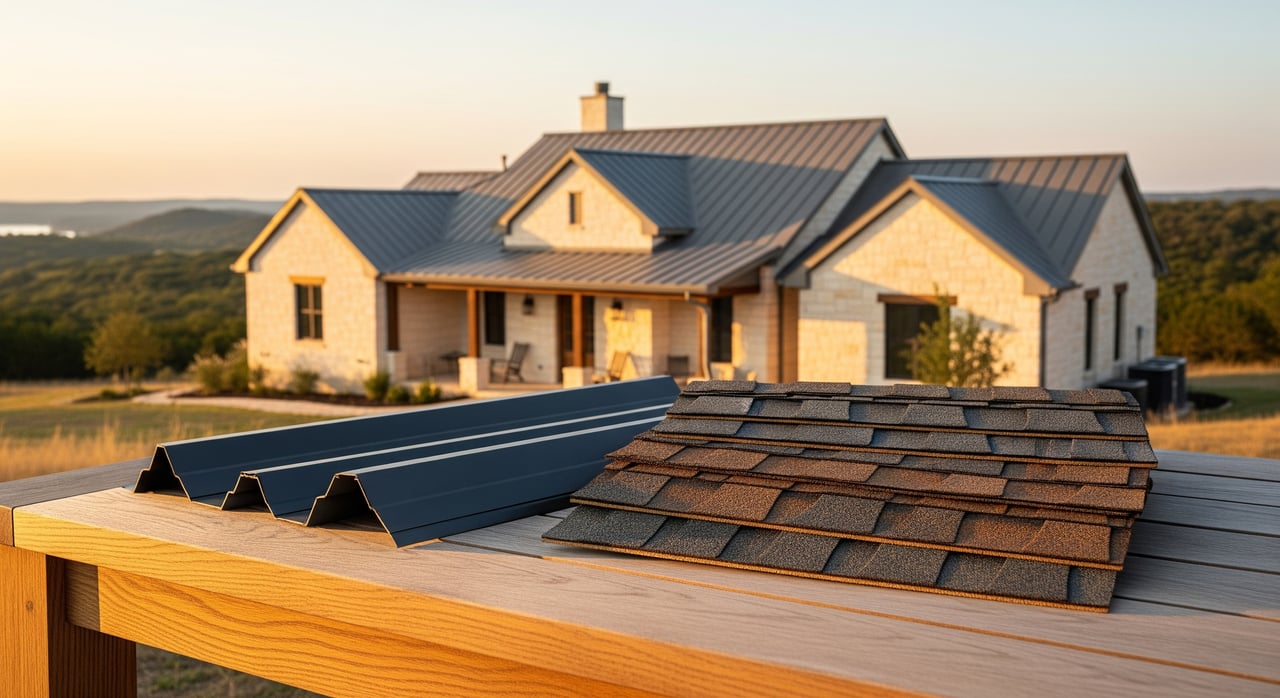
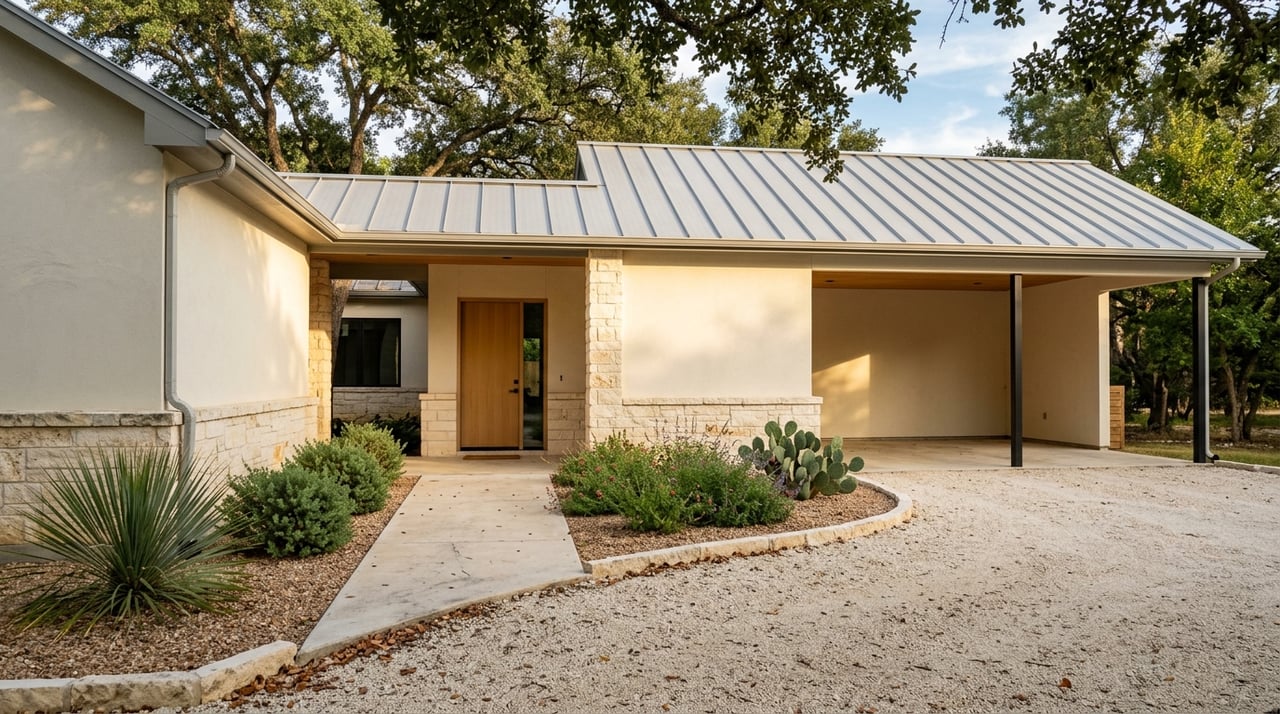
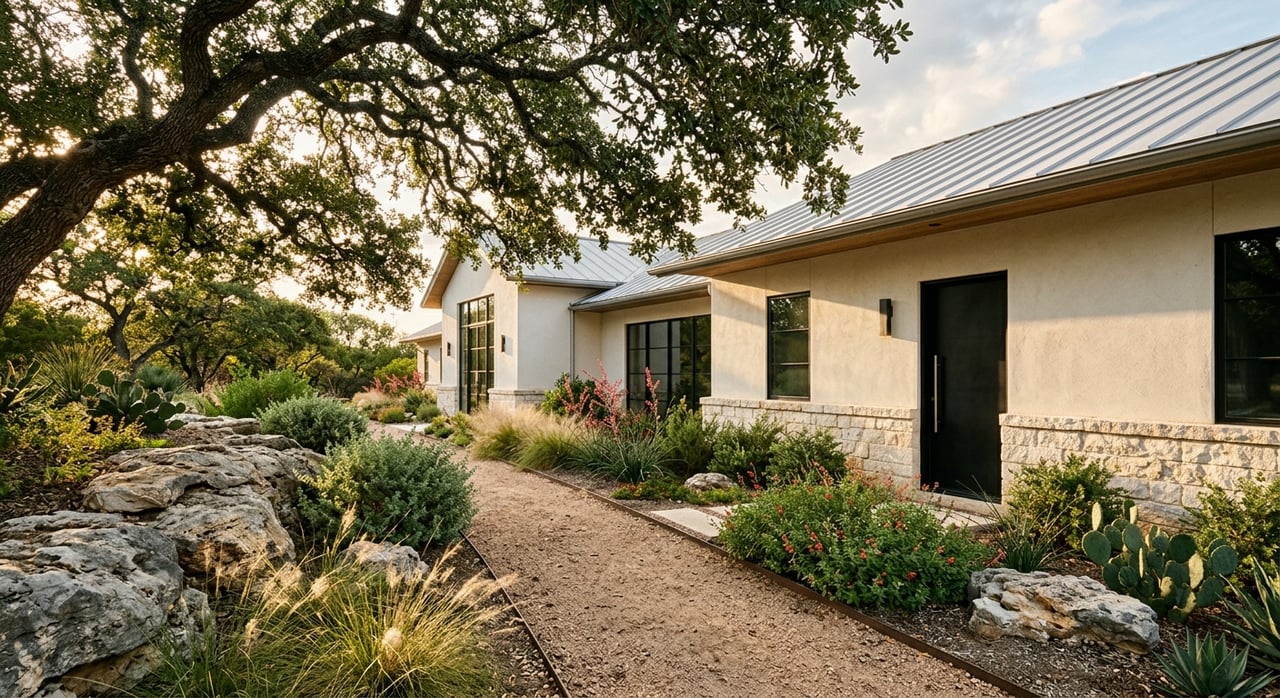
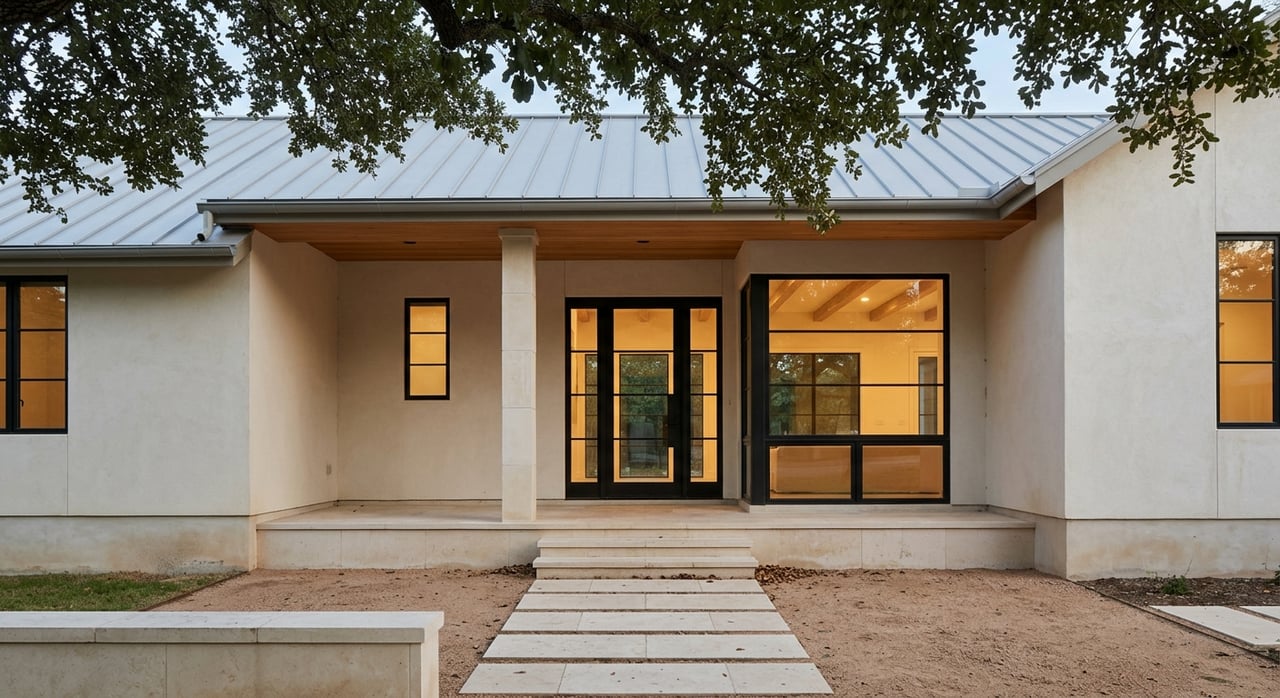
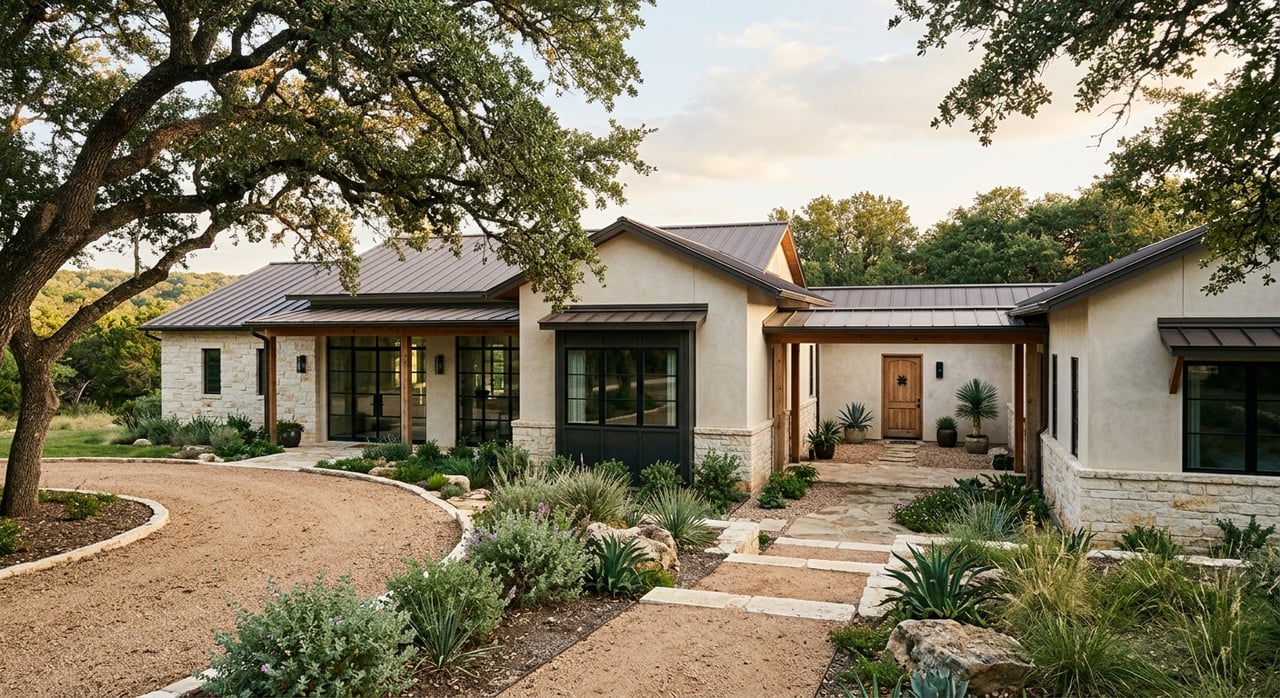
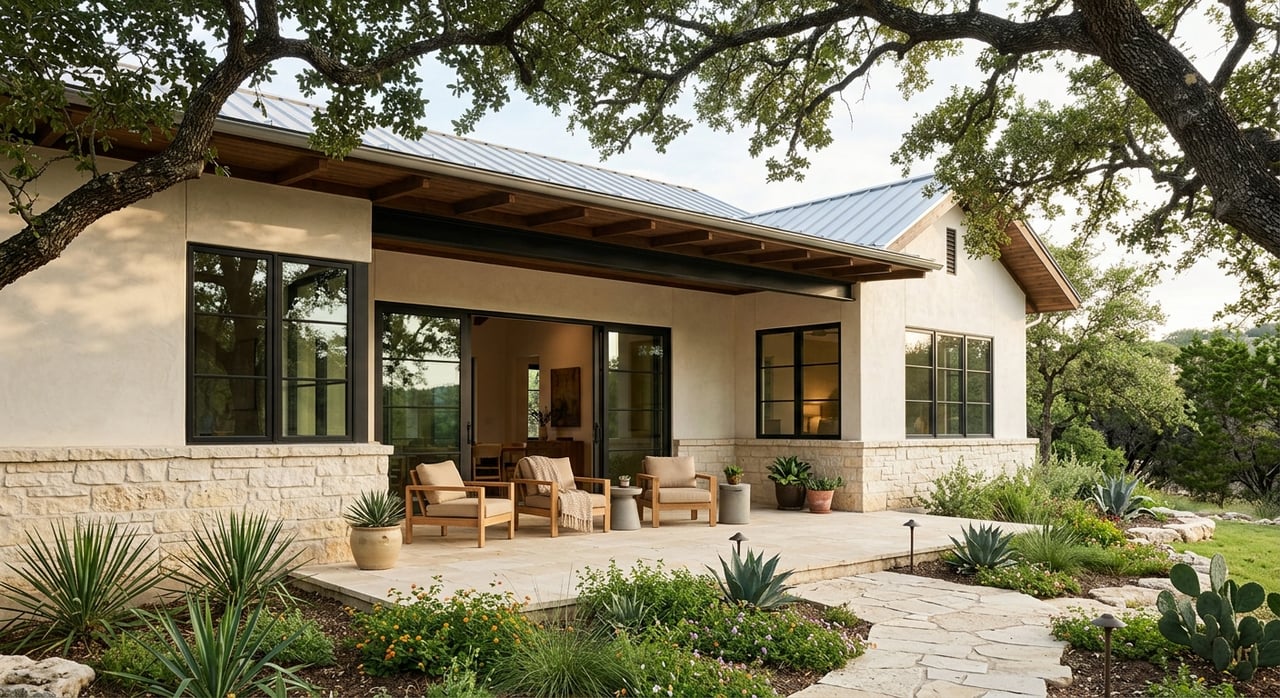
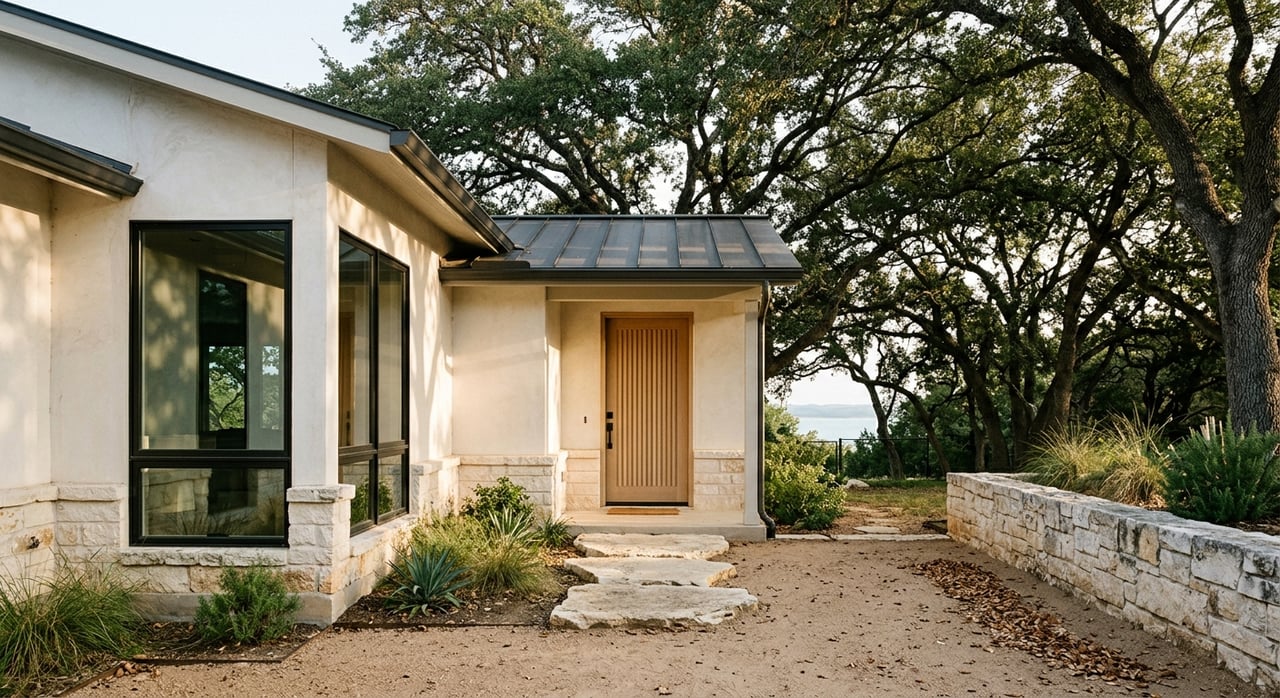
Architecturally, Hill Country homes use natural materials and a rustic profile. Metal roofs, including standing seam and corrugated, are common and fit the style. Architectural asphalt shingles are also widely used for a traditional look. Many neighborhoods and HOAs in Comal County have design guidelines for roof materials, colors, and finish reflectivity, so it pays to check CC&Rs and design review steps early.
Re-roofing typically requires a permit and compliance with local codes for wind, fire, underlayment, flashing, and ventilation. Confirm current requirements with Comal County Planning and Development or the relevant city office before work begins.
Metal vs shingle at a glance
Metal roofing: key strengths
- Long service life, often about 40 to 60 years or more with proper materials and maintenance.
- Strong resistance to tearing and puncture, with potential denting from large hail depending on metal type and thickness.
- Reflective coatings and lighter colors can reduce heat gain and help lower attic temperatures.
- Inherently non-combustible and can achieve top fire ratings.
- Maintenance focuses on fasteners, sealants, and finish condition.
Asphalt shingles: key strengths
- Lower upfront cost than most metal options, with straightforward installation and repairs.
- Architectural shingles commonly last about 20 to 30 years, while basic 3-tab products are often 15 to 25 years.
- Impact-rated shingles, such as Class 4 products, are designed to better handle hail.
- Properly installed shingles with appropriate underlayment can achieve top fire ratings.
- Easy to match neighborhood aesthetics in many subdivisions.
Durability and storm resistance
High wind and hail are part of life here. Both systems can be engineered for strong wind performance, but results depend heavily on installation quality and manufacturer ratings.
- Wind: Uplift resistance is tied to the fastening method, seam design, and adherence to manufacturer specs. Proper installation to local code is critical for either material.
- Hail: Metal resists tearing and puncture better but can dent with large hail. Denting risk varies by metal type and gauge. Asphalt shingles can lose granules or tear off. Impact-resistant shingles are designed to reduce hail damage, so product impact ratings matter.
- Insurance: Insurers look at roof age, material, and impact ratings when pricing policies. Some companies may offer discounts for impact-resistant shingles or certain metal assemblies. Documentation helps during underwriting and claims.
Energy and comfort
In hot, sunny weather, solar reflectance and emissivity matter. Metal roofs with reflective coatings or lighter colors can reflect more solar energy and reduce attic temperatures, which can lower cooling demand. Asphalt options vary. Traditional darker shingles absorb more heat, though cool shingles with reflective granules are available and can improve performance.
Energy savings depend on the whole system. Attic insulation, ventilation, air sealing, and HVAC efficiency all influence results. Roof color and finish can help, but they work best alongside solid insulation and ventilation upgrades.
Noise, fire, and maintenance
- Noise: The idea that metal roofs are always loud in rain is mostly about the assembly. When installed over solid decking with typical underlayment and attic insulation, interior noise is not usually higher than shingles. Exposed fastener systems or insufficient underlayment and insulation can increase sound.
- Fire: Metal is non-combustible. Many fiberglass-based asphalt shingles, when installed correctly, achieve top fire ratings. Always verify product fire ratings and installation details.
- Maintenance: Metal requires periodic checks for fasteners, sealants, and finish. Repairs can be more complex if panels must be removed. Shingle maintenance focuses on granule loss, curling, cracked tabs, and flashing integrity. Shingle repairs are straightforward, but full replacements occur more frequently over the life of a home.
Costs and insurance in Comal County
Upfront, metal roofs typically cost more than asphalt shingles. The life-cycle picture can look different. A metal roof’s longer service life and lower replacement frequency can make long-term costs competitive over decades. The break-even point depends on the initial price difference, how long you will keep the home, expected maintenance, and any energy benefits.
If you plan to sell soon, a new shingle roof can deliver the near-term “new roof” benefit at a lower upfront cost. If you intend to own long term, a metal roof can reduce future replacement risk and become a selling point when you eventually list.
Insurance considerations are product specific. Impact-resistant shingle ratings and manufacturer warranties may influence premiums or claims outcomes. Metal roofs can reduce catastrophic failure risk but may suffer cosmetic denting in big hail. Keep good records. Roof age, product spec sheets, installation receipts, permits, and warranties help with both insurance and resale.
Style, HOA, and resale
Roof material can affect curb appeal and comparables. In some neighborhoods where shingle roofs dominate, matching the prevailing look supports resale expectations. In rural Hill Country settings, metal roofs can be popular and may be preferred for both style and longevity.
Always review HOA CC&Rs for allowable materials, colors, finishes, and reflectivity. Some associations require approval before re-roofing and may limit bright reflective finishes. Getting clarity up front avoids costly re-selections and delays.
Installation and permitting tips
- Choose experienced local roofers familiar with Hill Country weather and local inspections. Metal roofing requires specific skills and tools, so verify experience with your chosen profile and manufacturer.
- Confirm permitting steps with Comal County or your municipality before work begins. Inspections typically verify code compliance for wind resistance, fire rating, underlayment, flashing, and ventilation.
- Address attic airflow and insulation during roof work. Proper ventilation and insulation can improve comfort and energy performance, and they support roof longevity.
- Get fixed-price bids that list materials, underlayment type, ventilation approach, flashing details, and manufacturer product names.
Buyer checklist for Spring Branch
- Ask for documentation: roof age, manufacturer specs, warranty, permits, and any storm repair records.
- Evaluate remaining service life by product class. Budget for near-term replacement if the roof is aging out.
- Inspect carefully. For metal, look for corrosion, loose or failing fasteners, and flashing issues. For shingles, check for granule loss, curling, missing tabs, and flashing integrity.
- Call your insurer to confirm whether the roof type and product ratings affect premiums or underwriting.
- If an HOA exists, review future repair and replacement rules on materials and colors.
Seller checklist before listing
- Set your horizon. If selling soon, a quality new shingle roof often provides the best near-term return. If you plan to own for many more years, a metal upgrade can make sense.
- Align with neighborhood comparables and HOA rules. Matching or modestly exceeding the standard supports resale value.
- Collect written quotes and warranties. Make sure bids specify materials, underlayment, ventilation, flashing, and product names.
- Ask for references and local examples, especially for metal installations.
- Consider adding attic insulation or ventilation upgrades during roof work to improve energy performance and buyer appeal.
Which roof fits your plan
- You plan to stay 15 years or more: Metal can reduce replacement risk and maintenance over time while offering energy benefits with reflective finishes.
- You plan to sell within a few years: A new architectural shingle roof usually delivers the curb appeal and “new roof” marketing boost at a lower upfront cost.
- You want maximum storm toughness: Compare specific impact ratings. Impact-resistant shingles and appropriately rated metal assemblies both perform well when installed to code.
- You care most about cooling loads: A light-colored or reflective metal roof typically offers higher reflectance. Cool shingles can help if you prefer a traditional look. Combine either choice with good attic insulation and ventilation.
Talk with a local guide
Your roof decision touches energy, insurance, HOA rules, and long-term value. If you are buying or preparing to sell in Spring Branch or around Canyon Lake, we can help you evaluate documentation, weigh trade-offs for your neighborhood, and position your home for success. Connect with the local team at Sunrise Realty Group to discuss your goals and timing. Get your instant home valuation.
FAQs
Are metal roofs louder in Hill Country storms?
- When installed over solid decking with proper underlayment and attic insulation, metal roofs are generally not louder inside than shingle roofs.
Do metal roofs dent in Comal County hail?
- Metal resists tearing and puncture but can dent with large hail; dent resistance varies by metal type, panel profile, and gauge.
Can asphalt shingles handle local hail and wind?
- Impact-resistant shingles are designed for better hail performance, and both shingles and metal rely on proper installation and manufacturer wind ratings.
Do cool roofs lower energy bills in Spring Branch?
- Reflective metal finishes and cool shingles can reduce attic temperatures, but savings depend on insulation, ventilation, roof color, and your HVAC system.
Do I need a permit to re-roof in Comal County?
- Re-roofing typically requires a permit and inspections for code compliance; confirm current requirements with the county or your municipality.