Buying Land in Blanco TX: Guide to Small Acreage
March 24, 2026
March 24, 2026
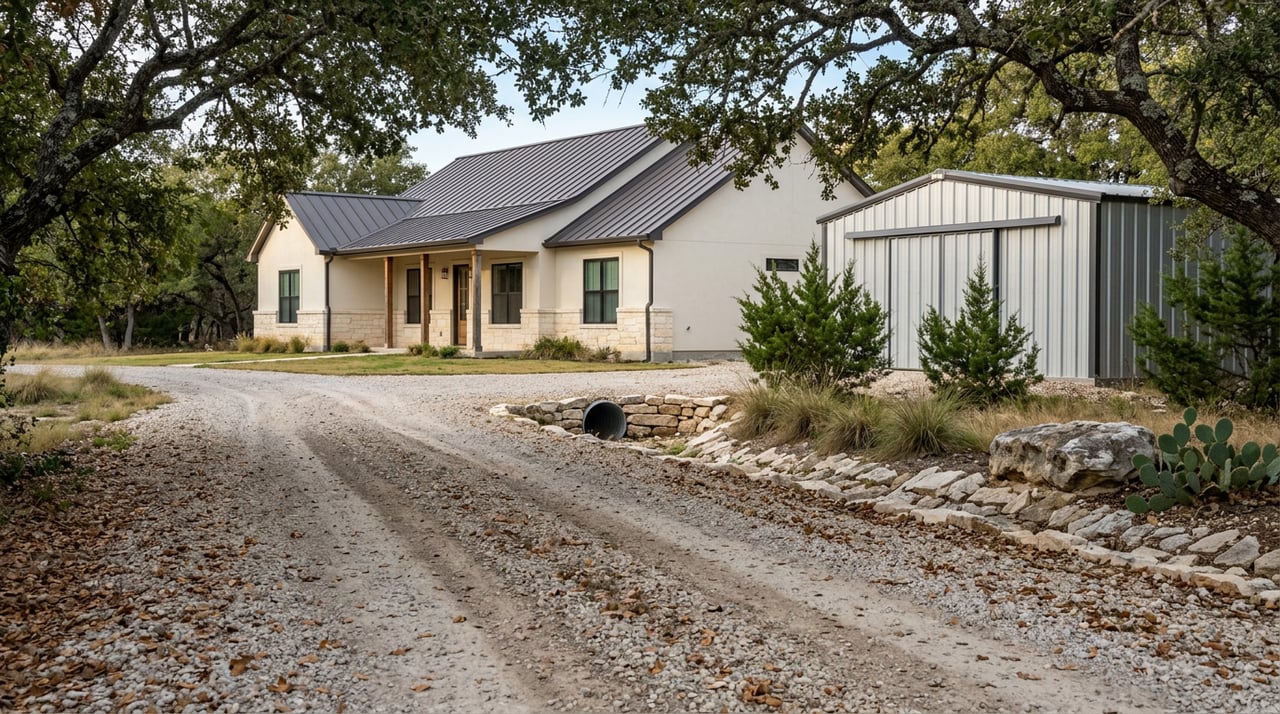
Picture your own Hill Country getaway, oak trees swaying, big skies overhead, and room to breathe. If you are eyeing land or a small acreage near Austin, Blanco puts weekend ranches, homesteads, and build‑later options within reach. The key is knowing how to vet access, water, septic, utilities, and local rules so you buy a tract that truly fits your plans. In this guide, you will learn what sizes are common, where buyers run into roadblocks, what recent water rules mean for wells, and the exact due diligence steps to take. Let’s dive in.
Blanco sits in the Texas Hill Country, about 50 miles from Austin, with rolling limestone hills, live oaks, and clear creeks. Many buyers choose it for a slower pace, weekend ranch life, or a future homestead with room for gardens and outbuildings. Inventory ranges from small, platted lots to large ranches, so you can match acreage and cost to your goals. The town’s location keeps you connected to regional jobs and amenities while giving you classic Hill Country scenery.
These often come with POAs or CCRs, shared private roads, and some pre-installed utilities. Expect rules on building types, setbacks, fencing, and road maintenance dues. A recorded plat helps clarify lot lines, access, and any utility easements.
This size band is popular for a single house, barn or shop, and weekend recreation. The buildable area is often shaped by well and septic placement, topography, and tree cover. Confirm legal access in writing and review any recorded easements before you fall in love with a homesite.
You get more privacy and long‑term flexibility, but with higher total cost and more complex planning. If you aim to subdivide later, you will need to study county platting rules early.
Before you go under contract, confirm whether access is by a county‑maintained road, a state road, or a private road or easement. Blanco County’s development rules cover minimum frontage, driveway permits to county roads, and how and when the county accepts roads for maintenance. Review the seller’s plat and any road‑maintenance agreements, and verify what the county has accepted for maintenance. You can find these standards in the county’s Development Rules and Regulations PDF. Review the county rules for road, plat, and driveway standards.
Most rural tracts in Blanco County are served by Pedernales Electric Cooperative (PEC). If lines are not at the lot, PEC may require easements and owner participation in line‑extension costs. Ask for a written serviceability and line‑extension estimate for the exact parcel before you close so you can budget for poles, trenching, or transformers. See PEC’s facilities‑extension and interconnection terms in the official tariff. Check PEC’s Tariff and Business Rules.
Important: On January 16, 2026, the Blanco‑Pedernales Groundwater Conservation District (BPGCD) temporarily halted acceptance of new non‑exempt drilling, operating, and transport permit applications. Exempt well registrations and certain renewals or replacement wells that do not increase production are not affected. If you plan to drill a non‑exempt well, contact the district at the start of your search to understand your options. Review the BPGCD notice and contact the district.
Budget note: Full private‑well systems in Texas can range from the low thousands into the tens of thousands depending on depth, geology, and equipment. Get at least two written quotes from licensed drillers. See a Texas private‑well owner guide.
Blanco County is the TCEQ‑designated local agent for septic permitting. You must have a site evaluation and approved design before construction. On shallow or karst limestone, aerobic or alternative systems are common and cost more than conventional systems. Central‑Texas installations often run about $10,000 to $25,000 or more depending on system type and site complexity. Review the county checklist and speak with a licensed designer early. Download the Blanco County OSSF application and checklist. For cost context, see a regional provider’s overview. View typical septic costs and considerations.
Rural internet can include cable in town, fixed wireless, or satellite. Many acreage owners use satellite solutions or fixed wireless for workable speeds. Always test options by address and confirm cell signal on site.
Most rural tracts use propane for cooking or heating. Trash service and mail vary by subdivision or POA, so ask the seller about providers and costs. Fire protection comes from local Emergency Services Districts or volunteer departments; confirm response areas and nearby stations for peace of mind.
The Blanco River and area creeks have a history of rapid flash flooding, with a catastrophic event in May 2015. FEMA flood maps are a starting point, but local high‑water history and professional elevation data matter for siting and insurance. If your tract touches a creek or the river, require a floodplain review before you commit to a building site. Learn about the 2015 Blanco River flood event.
Hill Country limestone can transmit water quickly, which affects septic siting, roadwork, and foundation planning. If your land lies inside or near an aquifer recharge or contributing zone, stricter wastewater and development rules may apply. A licensed site evaluator and an experienced local builder can steer you around pitfalls.
In Texas, mineral rights are often severed from surface rights. If minerals are leased or reserved, a mineral owner or lessee can have certain surface‑use rights subject to the accommodation doctrine. Ask your title company or real estate attorney to check the chain of title for mineral reservations, leases, and surface‑use language.
If you plan to rely on agricultural or wildlife management valuation, verify current status with the appraisal district and learn the use history required to qualify. A change in use can trigger rollback taxes, so confirm details before you assume a tax break. Review the Texas Comptroller’s ag and wildlife valuation guidance.
You can start simple with a raw tract, then add improvements over time. Focus on legal access, recreational use rules in any POA, and realistic utility plans. If there is no well or septic, plan for portable or temporary solutions that comply with county rules until you build.
Water and septic are your first gates. Confirm municipal water capacity if in town, or verify well feasibility and BPGCD permitting if rural. Order a licensed OSSF site evaluation and budget for an aerobic or alternative system if soils are shallow or rocky. Ask PEC for a line‑extension estimate, and plan for driveway and pad work.
Study the county’s platting and road standards now, not after you close. Check minimum frontages, water availability, and improvement requirements for any future lots. If a new well would be needed for each future lot, the BPGCD’s current permit suspension is a key constraint to consider.
Buying land is both exciting and technical. With clear goals, the right questions, and local experts on your side, you can secure a tract that fits your timeline and budget. If you want a partner who knows Hill Country land, county rules, and how to avoid costly surprises, our team is here to help you search, vet, and close with confidence. Start your acreage hunt with Sunrise Realty Group.
Stay up to date on the latest real estate trends.




We’d love to hear from you! Whether you’re buying, selling, or just exploring your options, we’re here to provide answers, insights, and the support you need. Contact us and start planning your next move.